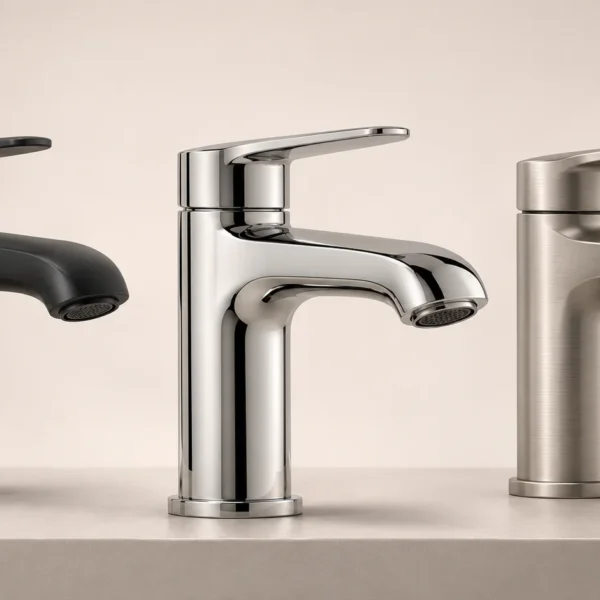
What is product photography?
Product photography uses professional photographic equipment and techniques to capture physical products. It presents the actual object and is widely used for e-commerce websites, catalogues and print media.
What is 3D product visualisation?
3D product visualisation uses a digital three-dimensional model to create images of a product. Camera angles, lighting, materials and details can be controlled in the digital scene. It can make realistic-looking images possible before a physical product is ready, provided that sufficient design information is available. This work is also called product rendering.
Visual quality: photography and 3D product visualisation
- Photography: Capturing the actual product provides a direct record of its appearance. Image quality depends on the equipment, lighting, styling and photographer’s skill.
- 3D visualisation: A digital scene gives control over details and viewpoints and can support consistent images. Accuracy and realism still depend on the model, references, materials, lighting and review process; a render is not automatically a perfect representation.
Flexibility
- Photography: Physical changes, new variants or different arrangements may require preparing the product again and scheduling another shoot.
- 3D visualisation: An existing model can be adapted for changes in colour, dimensions or materials and shown from different angles and in different settings. The effort depends on how substantial the change is and whether the model is suitable for reuse.
Comparing costs
- Photography: A professional shoot may involve studio hire, equipment, photographer fees, product preparation and transport. A physical sample needs to be available.
- 3D visualisation: Creating and rendering a model requires specialist work and may involve a substantial initial cost. Reusing a suitable model for further variants can avoid some repeat-shoot costs, but the overall economics depend on the brief and revision requirements.
Time: photography and 3D workflows
- Photography: Scheduling, shooting, editing and post-production all take time. Product availability and delivery can affect the timetable.
- 3D visualisation: Initial modelling can take time. Once a suitable model exists, some changes and additional views may be more straightforward. Pre-production images can support earlier marketing preparation, but delivery dates depend on the available references, complexity and approvals.
Typical uses
- Photography: Product listings, catalogues, magazines and other media that benefit from images of the physical product.
- 3D visualisation: Digital marketing, e-commerce and communicating products or prototypes before manufacture. A 3D model may also support virtual- or augmented-reality work, but those interactive experiences require their own technical preparation and are not delivered by a still render alone.
Which approach fits your product?
Photography and 3D visualisation offer different advantages depending on your needs. Photography is valuable when you want to show the actual physical product. 3D visualisation may suit projects that need controlled variations, multiple viewpoints or images before a sample is available. Compare the intended use, references, accuracy requirements, budget and schedule rather than assuming that one method is always better.