What is 3D design?

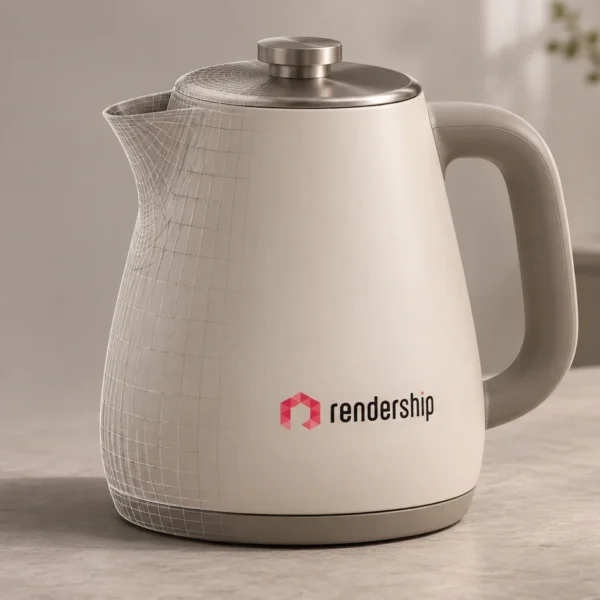
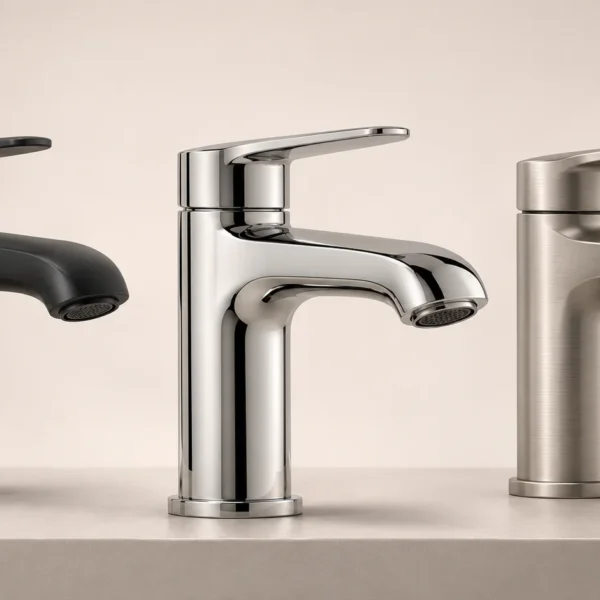
3D design is the process of creating digital three-dimensional models of objects or environments using specialist software. A typical visual production workflow includes the following stages:
- Concept: Define the idea, message and intended audience.
- Modelling: Build the shape and structure of the object or environment.
- Texturing and materials: Add surface patterns, colours and material properties.
- Lighting: Arrange virtual light sources to explain form, shadows and reflections.
- Rendering: Calculate images from the scene and its lighting.
- Animation and, when required, interaction: Animate objects or cameras to show movement. User-controlled interaction is a separate implementation task, not an automatic feature of an animation.
Why does 3D design matter for marketing?
3D design gives a marketing team another way to explain a product and develop a distinctive visual presentation. Its usefulness depends on the audience and message, rather than novelty alone. A well-chosen still image may be more effective than a complicated interactive experience when it answers the customer’s question clearly.
A virtual demonstration, for example, can present different angles and features of a product. If users need to rotate or explore the model themselves, the project also needs a suitable viewer or application. Neither approach guarantees higher engagement or sales; those outcomes need to be evaluated in the actual campaign.
Attract attention with 3D visualisation

A strong visual is not simply an impressive image. It should leave the viewer with a useful impression of the product and a clear understanding of its purpose. Depth, material treatment, lighting and composition can contribute to that impression.
Visual storytelling can connect the product to a recognisable situation or need. The creative direction should support the brand without implying features or performance that the real product cannot deliver.
Stand out from repetitive content
When many campaigns use similar imagery, a carefully developed 3D scene can create a distinct presentation. An unusual viewpoint, a controlled environment or a precise detail view can make the image recognisable without obscuring the product.
Being memorable is a creative objective, not a guaranteed result. Consistency across the campaign and relevance to the audience matter as much as the production technique.
Tell a clearer story with 3D design

Creative freedom
A digital scene allows a team to explore a concept product, an imaginary setting or a stylised character without having to construct every element physically. This opens up storytelling possibilities that may be difficult to arrange in a live shoot.
Creative freedom still has practical boundaries: modelling effort, reference quality, computing time, budget and approvals. Agree which elements are realistic representations and which are deliberately illustrative.
Make complex ideas easier to understand
Complex products can be divided into clear visual steps. A close view or an animated sequence can explain an individual feature before returning to the complete product. Cutaways and separated components can reveal relationships that are hidden in the assembled object.
The simplification must remain technically accurate. Engineering details and operating sequences should be reviewed by the responsible product team before the material is used as instruction.
Create an emotional connection
Lighting, pace, setting and narrative can help communicate how a product fits into a person’s life. Rather than showing only an object, the presentation can show a situation that matters to the audience.
This is a way to develop an experience around the brand, not proof that every viewer will respond in the same way. Test whether the story is understandable and relevant as well as visually attractive.
Planning 3D within a marketing budget

Cost-conscious creativity
Live-action production may require sets, locations, props, transport and a crew. A digital production changes that cost structure, replacing some physical requirements with modelling, scene preparation, rendering and review work.
3D is not automatically a low-cost option. Compare complete scopes and the number of deliverables, variants and revisions before deciding which production method offers better value.
Reusability
A suitable 3D asset can be adapted for different campaigns and channels. One model may support website imagery, social-media crops, catalogue views and an animation, avoiding the need to rebuild everything from the beginning.
Reuse should be planned: source files, rights, product versions, resolution and intended formats all affect what can be carried forward. A model prepared for a still render may need additional work for real-time use.
Turnaround times
Once approved assets exist, some new views or variants can be produced more efficiently. This can help a team respond to a changing campaign brief.
Initial modelling, complex motion, rendering and technical approvals can still take substantial time. Agree the schedule around the actual work rather than assuming every 3D animation is faster than a conventional shoot.
Preparing for future formats
Well-organised 3D assets can provide a useful starting point for later presentation formats. Keeping the model and reference information current makes future adaptation easier to assess.
No asset is automatically future-proof. New platforms may require different optimisation, file formats, interaction design or accessibility work.
Exploring virtual and augmented reality
Virtual reality places the user in a computer-generated environment. Augmented reality combines digital content with a view of the physical world. Product tours or virtual try-on experiences may use 3D assets as part of these systems.
These are separate deliverables from a still image or linear video. Device support, scale, performance, tracking and application integration need their own brief and testing. A realistic-looking render alone does not provide an AR or VR experience.
Choosing useful tools
3D production tools cover a wide range of workflows and budgets. Smaller businesses can explore a focused brief without committing to an elaborate interactive platform.
Software availability does not remove the need for production skill, reference preparation or quality control. Select tools and specialists around the required result, not around the assumption that a new tool makes the work effortless.
Strengthen the brand presentation

A consistent 3D visual style can help communicate how a brand wants its products to be perceived. Materials, colour, lighting and framing should reinforce the identity rather than compete with the information the customer needs.
The illustration supports a discussion of marketing presentation; it should not be read as measured campaign performance or a promise of improved results.
Show attention to detail
Accurate geometry, readable features and a polished finish can demonstrate care in presentation. This impression depends on the quality of the actual work, not merely on the fact that it was made in 3D.
Check the product against current references and maintain consistency between the visual, written specifications and delivered item. Professional presentation must remain an honest one.
Use 3D as part of a practical marketing strategy
3D design, modelling and visualisation can support a broader strategy through storytelling, asset reuse and clear product explanation. The right mix of still images, animation or interactive work depends on the task.
Start with the audience, product questions, available references and required channels. Rendership can help discuss a visual production scope around those needs. Explore our 3D product visualisation service and 3D product animation service to plan the next step.