Product photography

Product photography is an important part of e-commerce and service marketing. A carefully composed photograph can communicate details, atmosphere and a sense of use that would be difficult to convey in a short description alone.
On websites and social-media channels, customers often encounter a product through its images before they can see it in person. Clear, relevant photography helps explain what is being offered and how it may fit their needs.
Even a well-designed product can be difficult to evaluate if the imagery is unclear or lacks context. Strong presentation can support a buying decision, although image quality alone does not determine sales or guarantee an audience response.
Why can product photography be costly?
Professional product photography involves more than pressing the shutter. Equipment, lighting, working space, styling and careful preparation are needed to make even a simple object readable. A large range of products can require significant shooting and post-production time.
A later request for a different colour, configuration or angle may mean preparing the physical product and arranging another shoot. Transport, sample availability and matching the original lighting can add to the work.
3D visualisation offers another production approach when repeated variations are important. It may reduce some repeat-shoot requirements, but it introduces modelling, material preparation and rendering costs. It is not necessarily cheaper, faster or higher quality for every product.
What is 3D product visualisation?

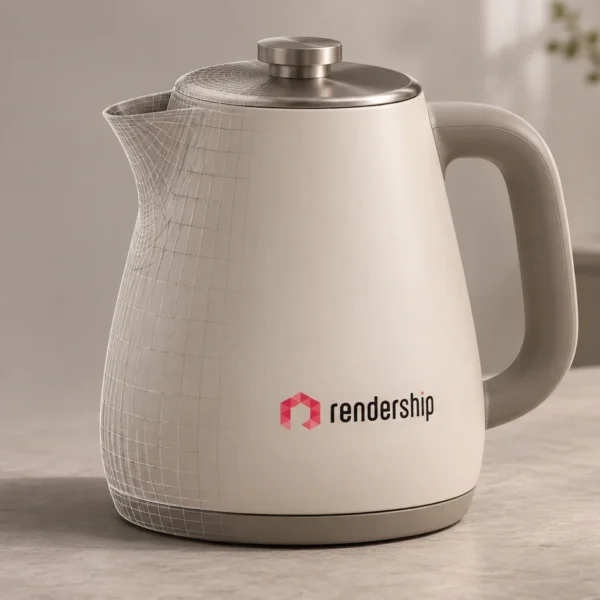
3D product visualisation uses a digital three-dimensional model to create images or animation. The model provides the shape, while materials, lighting and camera settings determine how the product appears in the final presentation.
One challenge in online shopping is understanding an object without handling it. Different views and detail images can help answer questions about its form and appearance. Accurate dimensions and specifications still need to accompany the images.
A render cannot by itself prove the exact colour on every screen or whether an item will physically fit a particular space. Augmented-reality presentation may help show scale and placement, but it is a separate implementation with its own accuracy and device limitations.
Potential advantages of 3D visualisation alongside photography
- Explaining a product in online shopping.
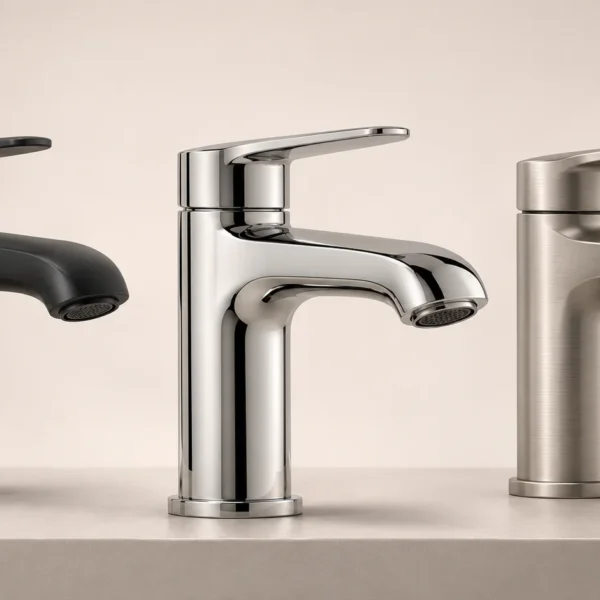
- Presenting personalised choices and variations.
- Planning production costs across repeated deliverables.
- Supporting trust through clear and accurate information.
- Preparing suitable assets for separately scoped AR experiences.
Explaining products online: A sequence of well-selected views can make physical features easier to understand. When an interactive viewer is part of the project, customers may also explore the object from different angles. A set of still renders does not automatically include that viewer.
Personalised choices: Colour and configuration images can help customers compare available options. Rotation, zoom and user-selected changes require an interactive system or configurator; these functions need to be specified separately.
Cost planning: Reusing an approved model can make some updates and additional views more straightforward. Compare the initial modelling effort, revisions and expected reuse with the complete photography budget before assuming a saving.
Trust and loyalty: A comprehensive presentation can reduce uncertainty when it accurately reflects the product. Trust also depends on the written information, service and delivered item. A render is not a guarantee of customer satisfaction or repeat purchases.
AR presentation: Suitable assets can be used in an application that places a virtual product in a real-world view. Furniture placement and virtual try-on are possible use cases, but they require appropriate technology and testing. Effects on returns or engagement should be measured rather than assumed.
Key opportunities in 3D product visualisation

1. Personalised presentation
Customers may want to inspect different details or compare finishes. Multiple views, a 360-degree sequence or a separately developed configurator can support those needs. For example, different views of a shoe can explain its shape, while approved colour variants can show the available range.
The level of control depends on the deliverable. A still image, a rotating video and a user-controlled model are different products and should not be described as interchangeable.
2. A presentation that fits the audience
Different customers may imagine the same product in different surroundings. A controlled digital scene can show an item in a relaxed interior, a more formal setting or another relevant context without constructing each setting physically.
The aim is to explain the product in a way the audience can relate to. A convincing image cannot compensate for unsuitable specifications, and a varied presentation does not automatically make a brand more popular.
3. Building trust with accurate detail
Showing useful angles and features can help a customer make a better-informed decision. Materials, proportions and included components should be checked against the real product or approved design.
Do not remove limitations or imply finishes that are unavailable. Honest visual information supports trust, while misleading realism can undermine it. Sales and loyalty outcomes depend on more than the visualisation itself.
4. An engaging product experience
3D assets can support a range of experiences, from a clear still image to an animation or an interactive scene. AR and VR add other ways to explore content when the project includes the required application or platform.
Such experiences may be shared or reused in marketing, but virality and customer excitement are not guaranteed. The useful question is whether the presentation helps the audience understand the product better than the available alternatives.
What is augmented reality?
Augmented reality, or AR, combines digital elements with a view of the physical environment. In a product context, it may show a virtual object within a room or provide additional visual information.
A 3D model is only one part of the experience. Scale, tracking, device performance and the application’s behaviour must also be designed and tested.
What is virtual reality?
Virtual reality, or VR, places the user within a computer-generated environment, usually through dedicated viewing equipment. The experience may allow movement or interaction within that environment.
A rendered image or animation is not itself a complete VR application. The intended level of immersion and interaction determines the technical work required.
Why does 3D product visualisation matter?
Customers shopping remotely need information that helps them understand an item before purchasing it. Clear digital views can explain shape, materials and design details, especially when a physical sample is not yet available for photography.
The growth of remote shopping, including changes during the pandemic, has highlighted the importance of useful product presentation. New technology should serve that need rather than be adopted for novelty alone.
For a business, a reusable model may support several campaigns or variants. Whether this saves money or time depends on the complete product life cycle and production requirements. AR or other interactive extensions should be evaluated as additional scopes, not automatic benefits of ordering a render.
Rendership can discuss the available references and intended images with you before a production approach is chosen.
Frequently asked questions
Why is 3D product visualisation useful for e-commerce?
It can provide useful views of a product that customers cannot inspect in person. Detail images and consistent variations may reduce uncertainty, provided they accurately represent the item. Interactive exploration requires a separately implemented viewer.
How can it benefit a business?
Potential benefits include reusable assets, consistent presentation and the ability to prepare some images before a finished sample exists. These should be compared with modelling, review and delivery costs. Faster decisions, higher sales and lower returns are possible business objectives, not promised results.
What should you compare when choosing photography or 3D?
Consider cost, flexibility, schedule, required realism, the product life cycle and the number of expected variants. Photography needs the physical product and a suitable shooting arrangement; 3D needs reliable references, modelling and scene preparation.
Location restrictions or complex logistics may favour a digital scene. Conversely, an available physical product with distinctive irregular details may be better served by photography. Neither method is universally superior.
Which product categories can be visualised?
- Fashion products.
- Furniture.
- Automotive products and components.
- Bathroom products.
- Decorative items.
- Kitchen products.
- Technology products.
- Architectural products and materials.
The right process varies by product. For furniture, for example, a render can explain the design and a separate AR experience may help explore placement. Neither replaces checking dimensions, access and installation requirements.
When should you choose photography, and when might 3D fit?
Photography may be appropriate when you need to show the actual physical object, its real setting or details best captured from a sample.
- Evidence of the product’s actual appearance.
- A real-world location or use context.
- A photographic story involving physical objects or people.
3D may be useful when the brief emphasises controlled variations, views that are difficult to photograph or a product that has not yet been manufactured.
- Flexibility in colour, material and configuration.
- Planned updates to an existing digital model.
- A distinctive scene or precise explanatory viewpoint.
To plan different angles, colours and materials, explore Rendership’s 3D product visualisation service and discuss your references and required outputs.